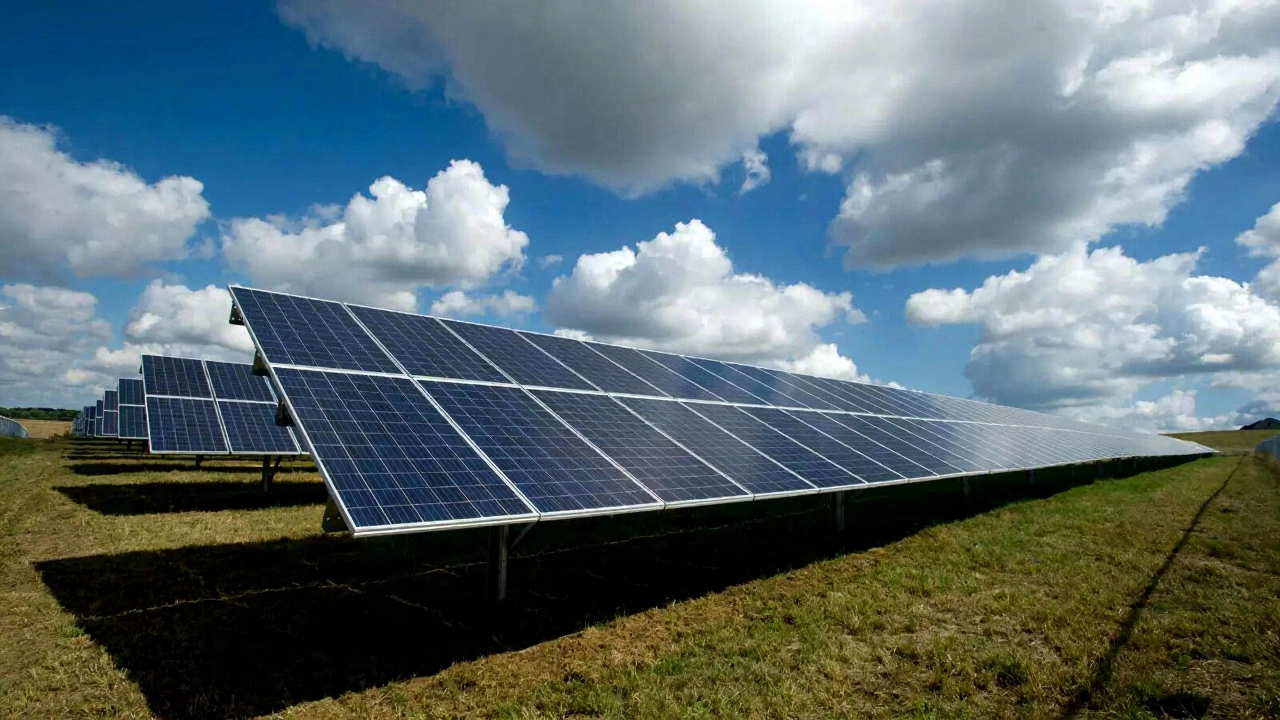
When The Government of India unveiled the Union Budget 2026New Delhi earlier this month, it didn't just tweak numbers—it handed a massive gift to the renewable energy sector. The centerpiece? A dramatic slash in customs duties on critical inputs for solar glass and lithium-ion battery manufacturing. For Rajasthan, already India’s solar powerhouse, this isn’t just policy; it’s a potential economic earthquake.
Here’s the thing: solar power is great during the day, but useless at night without storage. Until now, making that storage affordable was the bottleneck. The new budget removes tariffs on machinery for lithium-ion cells and drops duties on sodium antimonate—a key ingredient in solar glass—to zero. Suddenly, the math changes for manufacturers.
From Energy Producer to Manufacturing Hub
Rajasthan has long been known as the "solar capital" of India, hosting some of the largest photovoltaic parks in the world. But production alone doesn’t build deep industrial ecosystems. The twist in the 2026 budget is the shift from mere generation to manufacturing.
By cutting import duties on equipment used to make lithium-ion batteries, the government is signaling clearly: build here. Reports from Navbharat Times based in Jaipur highlight that this move could transform the state into a major hub for battery storage units. Why does this matter? Because cheaper equipment means lower capital expenditure (capex) for factories. Lower capex attracts big players. And when big players come, jobs follow—thousands of them.
One local solar panel manufacturer put it bluntly: "With cheaper inputs, local units can finally compete with foreign companies. This will create thousands of new investment and job opportunities in the state." It’s not just hype; it’s basic economics. When your cost of goods sold drops, your competitiveness spikes.
The Sodium Antimonate Game-Changer
Let’s talk specifics. One of the most significant cuts involves sodium antimonate. Previously taxed at 7.5%, the customs duty on this chemical has been slashed to 0%. You might wonder why a chemical matters so much. Turns out, sodium antimonate is essential for producing high-quality solar glass—the transparent layer that lets sunlight hit the silicon cells while protecting them from weathering.
Without this duty cut, Indian manufacturers were paying extra to import this raw material, putting them at a disadvantage against global competitors. Now, with the duty gone, the cost of producing solar glass in India drops significantly. This directly impacts the price of solar panels themselves. While analysts warn that consumer prices won’t plummet overnight due to other market factors, the structural cost reduction is undeniable.
This aligns perfectly with the expanded funding for the PM Suryodaya Yojana (formerly PM Surya Ghar Muft Bijli Yojana), which aims to provide free electricity to households through rooftop solar installations. With doubled fund allocations for the scheme, the demand for domestic solar components is set to surge.
Batteries: The Missing Link for Grid Stability
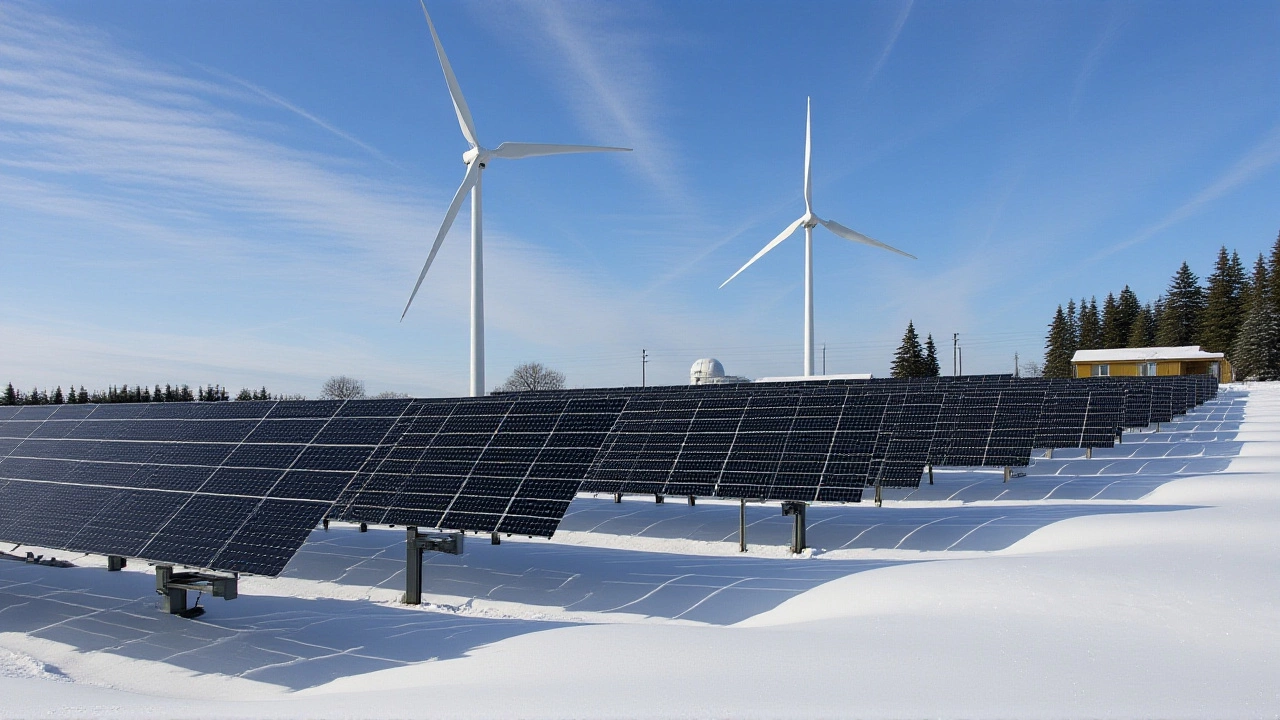
Solar energy is intermittent. The sun sets, clouds roll in, and the grid needs balance. That’s where lithium-ion batteries come in. The budget also offers duty exemptions on cobalt powder, battery scrap, and other critical minerals used in battery production.
Experts note that these concessions are particularly vital for grid-scale battery storage. As DD News reported, policy specialists believe these moves will accelerate power system balancing across states like Uttar Pradesh and Rajasthan. The goal is simple: ensure that renewable energy isn’t just green, but reliable 24/7.
"You cannot go completely green until you integrate batteries," one industry expert noted. "If we only install solar plants, we’re leaving half the potential on the table." By making battery manufacturing cheaper, the government is addressing the biggest technical hurdle to 100% renewable adoption.
Impact on Electric Mobility
The ripple effects extend beyond the grid. Cheaper battery production costs inevitably flow down to electric vehicles (EVs). If the cost of manufacturing EV batteries drops, carmakers can offer more affordable models. This creates a virtuous cycle: cheaper EVs drive higher adoption, which increases demand for batteries, which further scales down production costs.
For states investing heavily in EV infrastructure, this is a welcome boost. It suggests that the future of mobility in India won’t just be about charging stations, but about a robust, locally-made supply chain for the heart of the vehicle—the battery.

What Comes Next?
The immediate next step is watching how quickly manufacturers respond. Will they break ground on new facilities in Rajasthan within the fiscal year? How fast will solar glass prices adjust? These are the questions investors are asking.
Meanwhile, the government must ensure that the reduced duties translate into actual domestic production rather than just increased imports of finished goods. The intent is clear: build the factory, not just buy the product. If executed well, this budget could mark the turning point where India stops being just a market for green tech and becomes a global exporter of it.
Frequently Asked Questions
Why is the duty cut on sodium antimonate important?
Sodium antimonate is a critical raw material used to manufacture high-quality solar glass, which is essential for solar panels. By reducing the customs duty from 7.5% to 0%, the government lowers production costs for Indian manufacturers. This makes locally produced solar panels more competitive globally and supports the expansion of domestic manufacturing capacity.
How will this benefit Rajasthan specifically?
Rajasthan is already India’s top solar energy producer. The duty cuts on battery manufacturing equipment and solar glass inputs position the state to become a major manufacturing hub, not just an energy generator. This shift promises to attract significant foreign and domestic investment, creating thousands of new jobs in the industrial and technical sectors.
Will solar panel prices drop immediately for consumers?
While manufacturing costs will decrease, experts caution that retail prices may not fall drastically overnight. Market dynamics, logistics, and other input costs play a role. However, the long-term trend points toward more affordable solar solutions, especially as competition among local manufacturers increases and economies of scale kick in.
What is the connection between this budget and EVs?
The budget reduces duties on critical minerals like cobalt and battery scrap used in lithium-ion battery production. Since batteries are the most expensive component of electric vehicles, lowering their manufacturing cost can lead to cheaper EVs. This accelerates the adoption of electric mobility across India by making vehicles more affordable for average consumers.
How does this support the PM Suryodaya Yojana?
The PM Suryodaya Yojana aims to provide free electricity to households via rooftop solar. By doubling the fund allocation for this scheme and simultaneously reducing the cost of solar components through duty cuts, the government ensures that the program can be implemented more efficiently and at a larger scale, reaching more beneficiaries faster.
Caspian Harrington
I am Caspian Harrington, an expert in government, news, and technology. My passion for understanding the intricacies of politics and keeping up with the latest tech advancements has led me to develop a comprehensive knowledge in these fields. I also have a keen interest in writing about sports and education, as I believe they are crucial aspects of personal development and societal growth. I strive to share my insights and expertise with others, helping them navigate through the ever-evolving world we live in.
view all postsWrite a comment