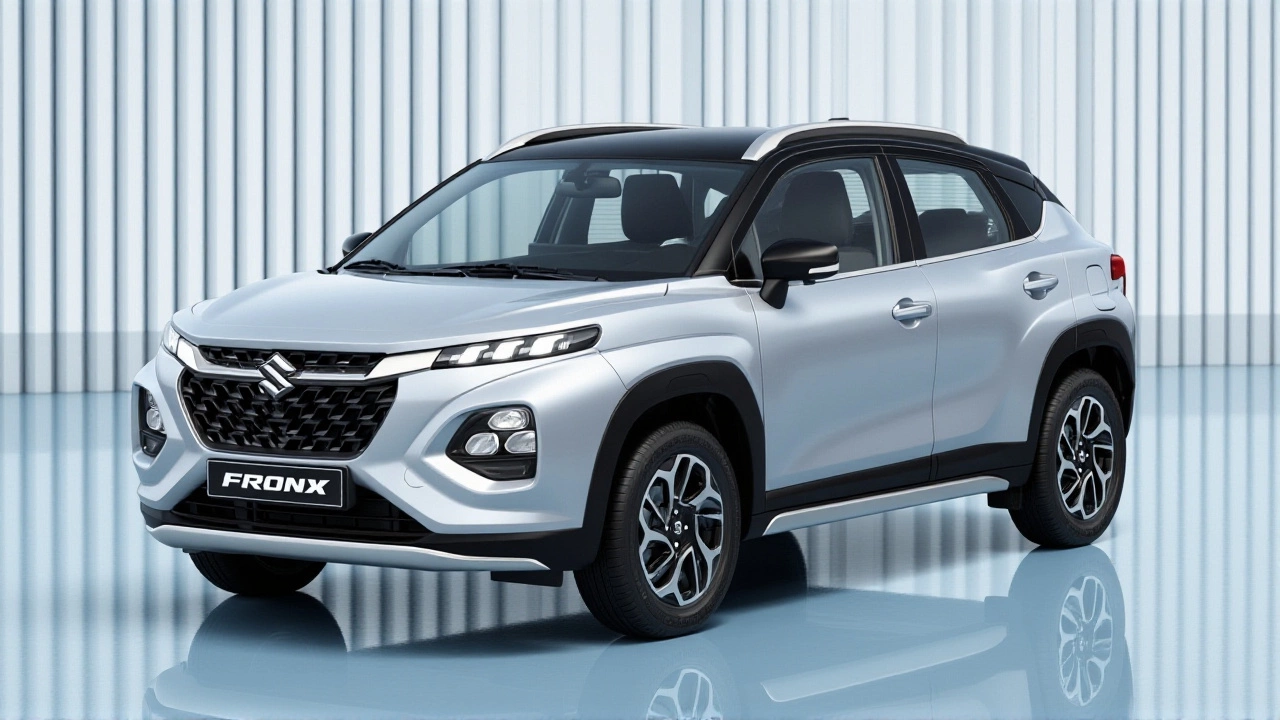
When Nitin Gadkari, Union Minister for Road Transport and Highways, dropped the bombshell in Nagpur, the automotive industry held its breath. He announced that Maruti Suzuki, India’s largest carmaker, is set to launch the country’s first flex-fuel vehicle capable of running on 100% ethanol (E100) on . This isn't just another model release; it’s a strategic pivot toward cleaner energy, timed perfectly with World Environment Day.
The twist? The car has already been unveiled. It’s the popular hatchback, the Maruti Suzuki WagonR, re-engineered to handle pure ethanol without choking. For years, experts argued that high-blend ethanol required significant engine modifications. Now, those arguments are becoming reality on Indian roads.
A Regulatory Green Light
Here’s the thing: you can’t sell a car that runs on fuel the government hasn’t officially certified. That bottleneck was removed recently when the Ministry of Road Transport and Highways updated its vehicle testing and certification norms to include E100. This regulatory shift cleared the path for manufacturers like Maruti Suzuki to bring these vehicles to market legally and safely.
Gadkari made this announcement during an event in Nagpur, Maharashtra, signaling strong central support for the initiative. By aligning the launch date with World Environment Day, the government and the automaker are clearly framing this as an environmental milestone, not just a commercial one. It sends a message that India is serious about reducing dependence on imported crude oil.
What Is a Flex-Fuel Vehicle?
If you’re wondering what makes this different from the E20 or E5 fuels currently available at pumps, here’s the breakdown. A flex-fuel vehicle (FFV) is designed to run on gasoline, ethanol, or any mixture of the two. Most cars today can handle up to 10% ethanol (E10). Some newer models manage E20. But E100? That’s pure ethanol.
Ethanol is more corrosive than petrol and has lower energy density. Running pure ethanol requires reinforced seals, specialized fuel lines, and adjusted engine mapping to prevent damage and maintain performance. Industry insiders estimate that these technical upgrades could add between ₹40,000 and ₹50,000 ($480–$600) to the cost of each vehicle in the initial phase. That’s a steep premium, but one that might be offset by cheaper fuel prices if ethanol remains subsidized and locally sourced.
The WagonR: Why This Model?
Choosing the WagonR is a smart move. It’s India’s best-selling hatchback, known for its practicality and reliability. By introducing flex-fuel technology in such a mainstream model, Maruti Suzuki is betting that consumers will adopt the tech once they see the benefits. Reports suggest the company has already unveiled the prototype, confirming that the engineering hurdles have been cleared.
This isn’t happening in a vacuum. Brazil has been using flex-fuel vehicles for decades, primarily running on sugarcane-based ethanol. India, with its massive sugar production, has similar potential. If successful, this could reduce import bills significantly while supporting domestic farmers.
Impact on Drivers and Dealers
For drivers, the immediate question is cost. While the upfront price may be higher due to the ₹40,000–₹50,000 upgrade, long-term savings depend on ethanol pricing. Currently, ethanol is often cheaper than petrol in many states. However, availability is still limited. Expanding the infrastructure to dispense E100 alongside E20 and petrol will be crucial.
Dealerships need to prepare for new maintenance protocols. Ethanol attracts moisture, which can lead to corrosion if not managed properly. Service centers will require training and new parts inventory to keep these cars running smoothly. This ripple effect touches every part of the automotive supply chain.
What’s Next?
The clock is ticking toward June 5, 2026. Until then, expect more details on pricing, booking timelines, and distribution plans. Will this be exclusive to certain regions initially? How will insurance premiums adjust for modified engines? These are questions buyers will want answered before committing.
Experts believe this launch could trigger a wave of similar offerings from competitors like Tata Motors and Mahindra & Mahindra. Once the regulatory framework is established and consumer trust builds, flex-fuel technology could become standard rather than optional. It’s a bold step toward energy independence, and India is leading the charge in South Asia.
Frequently Asked Questions
What exactly is E100 fuel?
E100 is fuel composed of 100% ethanol, typically mixed with a small amount of additives to improve stability. Unlike E10 or E20, which blend ethanol with petrol, E100 contains no petroleum-derived gasoline. It requires specific engine modifications to prevent corrosion and ensure proper combustion.
Will the Maruti Suzuki WagonR E100 be more expensive?
Yes, industry estimates suggest the vehicle could cost ₹40,000 to ₹50,000 more than standard models due to necessary engine and fuel system upgrades. However, owners may save money over time if ethanol fuel prices remain lower than conventional petrol.
Why did the government choose June 5, 2026 for the launch?
June 5 is celebrated globally as World Environment Day. Launching India’s first E100-capable car on this date highlights the environmental benefits of ethanol fuel, such as reduced carbon emissions and decreased reliance on imported oil, aligning with national sustainability goals.
Can I use regular petrol in this flex-fuel car?
Absolutely. Flex-fuel vehicles are designed to run on petrol, ethanol, or any combination of the two. You won’t be forced to use only E100; you can switch based on availability and price, offering flexibility that traditional cars don’t have.
Is E100 fuel widely available in India right now?
Not yet. While E20 is being rolled out across major cities, E100 infrastructure is still in early stages. The government and oil companies are working to expand dispensing facilities, but widespread availability may take a few years after the initial launch.
Caspian Harrington
I am Caspian Harrington, an expert in government, news, and technology. My passion for understanding the intricacies of politics and keeping up with the latest tech advancements has led me to develop a comprehensive knowledge in these fields. I also have a keen interest in writing about sports and education, as I believe they are crucial aspects of personal development and societal growth. I strive to share my insights and expertise with others, helping them navigate through the ever-evolving world we live in.
view all postsWrite a comment